

Under the Influence, April 14, 2026
So, whats new?

You’re reading WOODRUFF. I cover the convergence of pop culture, psychology, and astrology. Join my entourage of subscribers—you’ve been missed. My bio is here.
AFTER MY DEEP DIVE INTERVIEW with astrologer Nick Dagan Best—Paint It Black: Nick Dagan Best Sees Trump’s Exit in April, I completely unplugged from anything astrological (except for a couple of minutes of ‘ah-ha’ when I considered all the arson that’s flared up across the country once Mars moved into Aries, the Zodiac’s most fiery sign, to join the Sun, Saturn, and Neptune—oh, and the war ongoing in the Middle East).
As a Cancer with Moon in Scorpio, I’ve learned to surrender to the cycles that claim me—they’ll take me up, and then, similar to hypomania, I’m brought down (but then lower or deeper) as something in my psyche forces me to unplug. Why I trust this cycle is that I know when I’m ‘down,’ there is critical excavation occurring within my unconscious. And that means something sooner (or later) will be popping out, some theme or insight that I’ll climb on top of and start riding to wherever it wants to take me. Another way to condense all of this long-windedness is to say I’m moving with the Tao.
So after the interview with Nick, I went into a holding pattern, primarily because his prediction of Trump’s disappearance sometime in April felt like a completion of sorts (even if, come April 30, he is still president). I won’t care, because the headspace I slipped into, imagining Trump absent, was so satisfying on a soul level, I—like with the Tao again—just steeped in it.
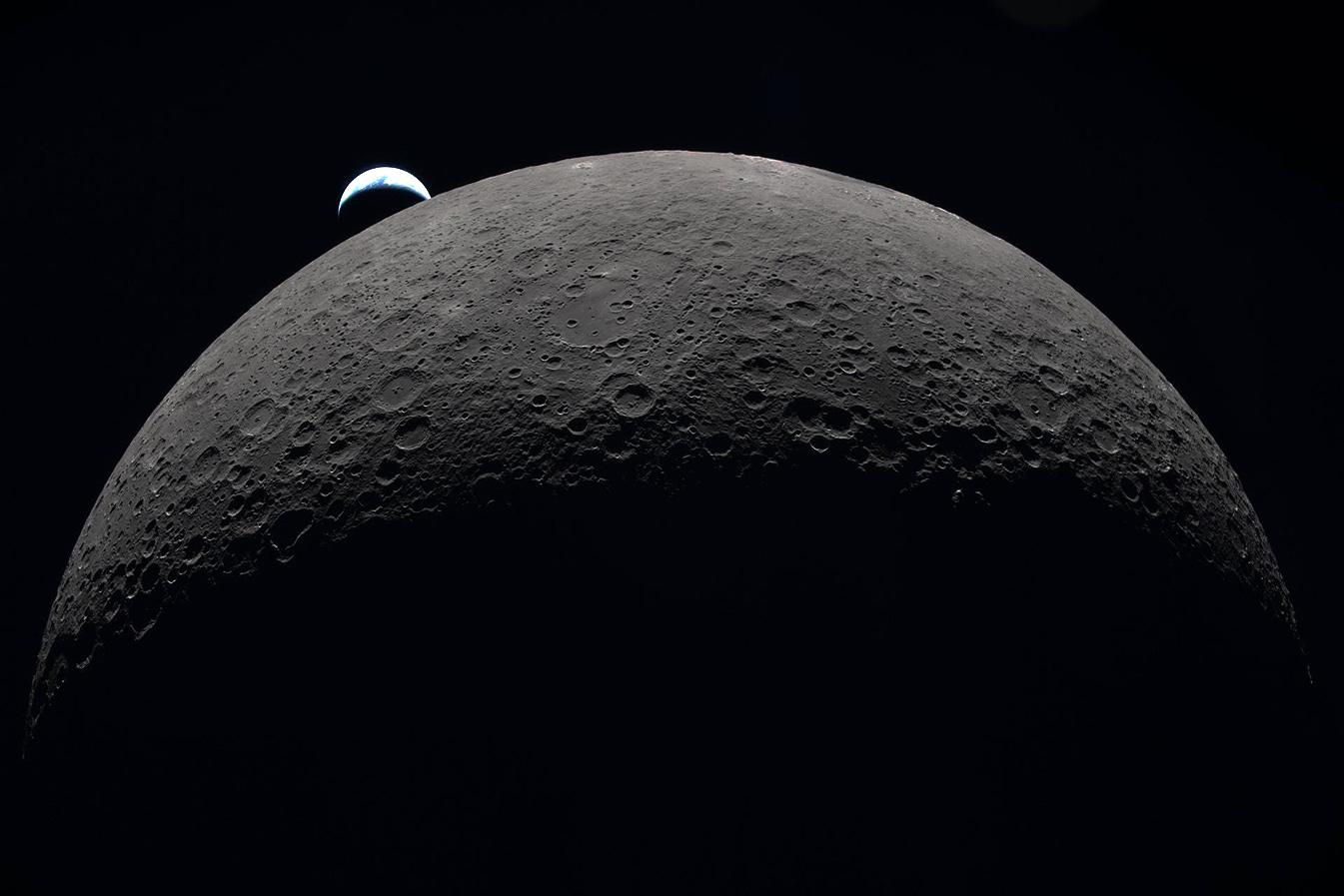
In this interim, there was the joy of following everything with the Artemis II crew’s mission. Reminding me that news related to something newsworthy in America could be uplifting and beautiful.
Furthermore, here are some other things I’ve been thinking about that you might find interesting, too.

Atheists are usually awful.
“I am a mystic and I believe in nothing.” —Gustave Flaubert
Dreary and dry—they’re certain of their uncertainty. Doubly so if they’re of the hard-headed soapboxing sort, like Richard Dawkins. Triply so if they have a prissy way of speaking, as Dawkins does.
But recently a friend posted this commentary from Dawkins, and it gave me pause. Dawkins wrote this shortly after the death of his daughter:
“We are going to die, and that makes us the lucky ones. Most people are never going to die because they are never going to be born. The potential people who could have been here in my place but who will in fact never see the light of day outnumber the sand grains of Arabia. Certainly, those unborn ghosts include greater poets than Keats, scientists greater than Newton. We know this because the set of possible people allowed by our DNA so massively exceeds the set of actual people. In the teeth of these stupefying odds, it is you and I, in our ordinariness, that are here. We privileged few, who won the lottery of birth against all odds, how dare we whine at our inevitable return to that prior state from which the vast majority have never stirred?”
After reading the above, I thought, atheists can be the most passionate mystics because they place nothing between themselves and the ultimate unknowability. And that’s pretty goddamn raw. And speaking of which:

Zen and Philosophy…
…well Western philosophy—don’t mix well. Philosophy is about compounding abstractions until your butthole inverts upon itself. Whereas Zen does away with distinctions between buttholes and mouths entirely.
So when I discovered the writings of Emil Cioran, I was floored by his non-stop stream of self-annihilating aphorisms that mimic in some ways the Zen ways that Nietzsche would occasionally rub up against. Although Cioran trots merrily beyond Nietzsche’s efforts to stay true to the craft.
Cioran is considered a nihilist (with a pessimistic chaser). But really he was an absurdist who believed that pulling the Band-Aid off in one quick rip was the best way to confront the ultimate meaninglessness of life.
People being people, they must find a way to categorize other people because, well, life is safer that way. But Cioran always managed to wiggle free, and he’d write something like “I plunged into the Absolute a fool; I emerged a troglodyte.” The first time I read that I laughed so hard—not even certain of what I read until ten minutes later.
Right now I’m re-reading his small volume, All Gall is Divided: The Aphorisms of a Legendary Iconoclast. And this one pass might actually be enough to last a lifetime. So heavily did death and suicide color his work that your survival instinct starts to pull you away from your mind’s dalliance.
Regardless, here are some of his most beguiling pulls from his oeuvre:
“The fact that life has no meaning is a reason to live—moreover, the only one.”
“We have convictions only if we have studied nothing thoroughly.”
“We are born to Exist, not to know, to be, not to assert ourselves.”
And my favorite:
“There is no other world. Nor even this one. What, then, is there? The inner smile provoked in us by the patent nonexistence of both.”
A Lost in the 70s Reverie.
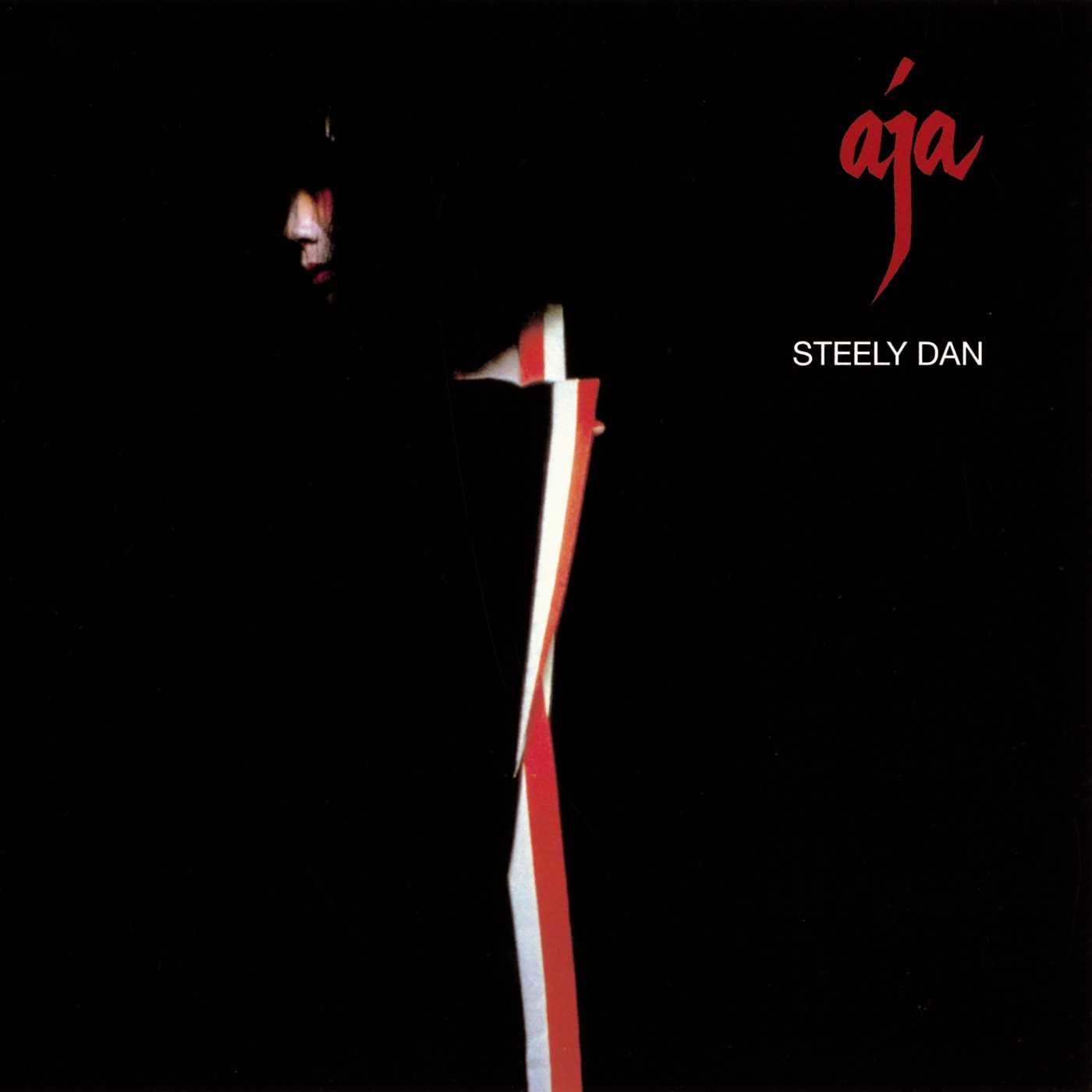
As soon as I hear one of the tracks from Steely Dan’s masterpiece Aja, I smell weed.
But I’m recalling a focused, almost academic stoner-ism from back in the late 70s. This was one of those watershed cultural moments—right before the music business became the equivalent of giant shoulder pads in women’s clothing and Smokey and the Bandit playing 24/7 at the Cinerama.
Meaning, Steely Dan records were the last exhalation of pop-rock-jazz that was both un-self-consciously exceptional and fun. Albums that offered you the same thrill as reading prose from, say, Nabokov or Woolf.
A good writer will tell you that your first couple of drafts involve a (deluded) notion of reaching perfection. The best you can bring. But the final draft involves dismantling the perfection—to make the syntax read like it just fell out of your brain and onto the page. All the signs of perfection (or, god forbid, showiness) are smudged out. The prose is returned to earth but in an off-the-cuff but still kinda confounding way.
Steely Dan made their records in the same way. Yes, sonically they call up the tired Swiss watch metaphor, but they transcend their fastidiousness and pass into a strangeness that is beyond perfection. And so listening while high, you’d listen for all the subtle symphonious shifts while also thinking, “But wait, this is just pop music.”
The critic Don Breithaupt wrote: “Steely Dan records contain harmonic shifts, the way other records contain melodic, rhythmic, and lyrical motifs.”
The other night I got into a peculiar mood and decided to parse out what exactly was going on in Aja’s Peg—a hit single that just skirted the Top 10 after its release in late 77.
But instead of focusing on the legendary Polynesian-inspired guitar solo by Jay Gradon (legendary because Becker and Fagan auditioned eight different maven guitarists before settling on Gradon—who played regularly for Barbra Streisand and The Carpenters!) I went behind the curtain and fixated on the multi-tracked background vocals the boy’s saddled former alumnus Michael McDonald with.
Peg is so tightly arranged, like a Byzantine mosaic, it’s easy to miss (or take for granted) the bizarre vocal achievement McDonald was asked to deliver. It’s like he was instructed, “OK, so first open up your throat so you sound like a synthesized horn. And then sing ‘round back on top of the phrase you just delivered, but in a different pitch.”
There’s barely any room between intervals for McDonald to catch his breath and bring in the next line while harmonizing with himself. Listen to how he shoves out the words ‘foreign movie’ a half-beat before Fagan even sings the lyric. McDonald’s performance is like space-age scatting.
Better yet, listen to McDonald himself explain his process for you. And then listen to Peg again after you’ve smoked a bowl.
Love,

Cioran photo: Unknown.

• Is Astrology Making You Crazy?
• Charisma: What’s YOUR Quota?
• Saturn: The Work and The Love
• Nonsense & Malaise: Astrological Insights for Maneuvering the Hive
• The 12th House: Astrology’s House of the Rising Sun
Nobody I knew loved that Aja track the way I did. I would sit in my room and play it over and over again. It was very emotional to listen to that track. I had a huge crush on McDonald. That voice just pierced my heart.
I was so young then and doing such amazing things. Glad about all that and also sad about now and being old. Meow.